
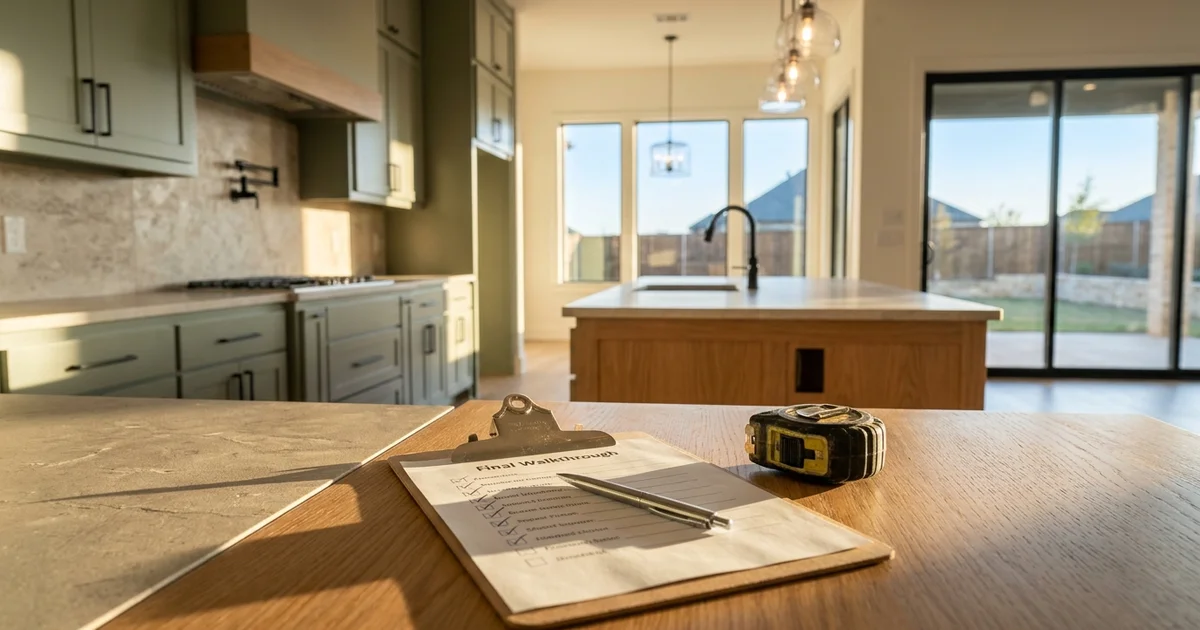
Why do new apartments need a checklist?
Because new isn’t perfect, and even premium units have hidden defects. A proper new apartment move in checklist turns a tour into documented evidence and ensures a clean start.
We see homeowners and business owners assume a fresh build means zero maintenance, which is rarely true.
Lease-up apartments pass city inspections, but individual units often retain punch-list items like stuck doors or whistling vents. The most common new construction defects in 2026 include drywall imperfections, incomplete caulking, and missing outlet covers. Our team recommends printing this page directly from your browser or requesting a digital PDF copy via email.
Tour checklist
Bring this list on every single visit to ensure you evaluate the space thoroughly. An organized approach prevents you from missing critical details in the excitement of a new space. Our touring guide explains exactly how to route these visits for maximum efficiency.
A remote option works perfectly for busy professionals moving their operations. The technology brings the walk-through directly to your desk. We can also run this inspection for you on live video if you are relocating from out of state.
Sound
Acoustic privacy dictates your daily comfort, especially when working from home. The 2021 International Building Code (IBC) Section 1207 sets clear minimums for noise transfer. We look for a rating of 50, which is the legal code minimum between dwelling units.
Luxury properties often exceed this with STC scores of 55 or 60 to block out heavy footfalls. A quiet environment requires testing the physical space yourself. Our inspectors always verify the exact acoustic ratings using the following steps:
- Ask the leasing agent how the building meets the required STC/IIC 50 rating between units.
- Listen closely at the front door, the primary bedroom wall, and the main windows.
- We always note any noise sources located above, below, or directly beside the unit. Our guide on how to pick the right unit in a new building covers noise traps by floor and stack.
- Check for proximity to the trash room, the fitness center, or the elevator shaft.
- These adjacent spaces generate constant, unpredictable noise throughout the day.
Heat and exposure
Our checklist ensures the air conditioning system is properly sized for local extremes. Climate control directly impacts both your comfort and your monthly utility costs. West-facing windows take the brunt of the afternoon sun and drastically heat up the space.
We verify the system can handle the Dallas design heat standard, which runs to 101°F. City Ordinance Chapter 27-11 mandates that rental units must maintain a temperature of 85°F or 15 degrees cooler than outside. A failing system in July quickly becomes a serious health hazard. Our standard climate checks include these specific items:
- Check the exact compass direction the primary windows face.
- Ask the manager how the AC capacity handles the intense summer heat.
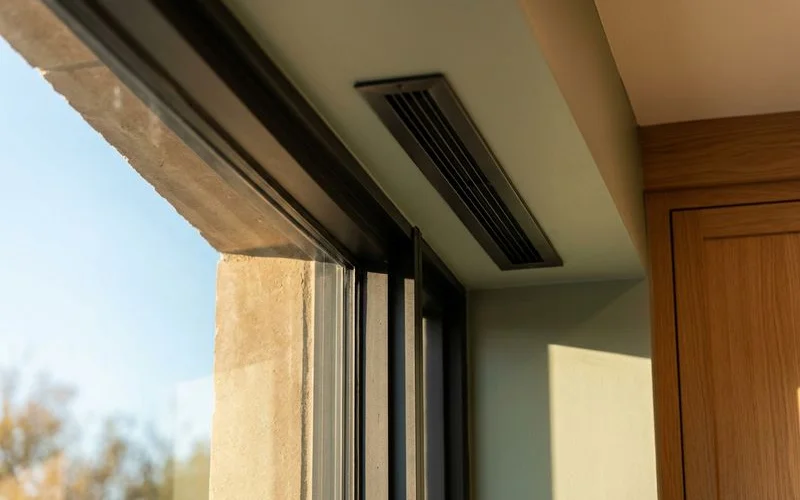
- We test this by feeling the actual airflow output at every single vent in the unit.
- Confirm the system can legally meet the 85°F city mandate.
- A weak breeze from a ceiling vent indicates severe duct issues.
Phases and access
Our team maps out the completion timeline for every adjacent building to prevent surprises. Construction phasing determines how much noise and dust you will endure after moving in. A unit might be finished while the rest of the property remains an active job site.
We request visual proof that the city has issued the Certificate of Occupancy for the specific unit. This document proves the space is legally safe to inhabit. Access routes often change as new sections of a large community open up. We recommend completing these access checks on every tour:
- Ask which construction phase includes this specific unit.
- Ask what structures are being built next door and when they will finish.
- We always walk the actual path from the assigned parking spot to the front door.
- Locate the working elevator, the mailroom, and the active trash facilities.
- Ask which specific amenities are open today and when the rest will debut.
Money
We scrutinize the ledger to guarantee all promotional specials apply correctly to the account. Financial terms for new builds often include temporary concessions that require careful review. A verbal promise of a free month means nothing without written documentation.
Our financial review process exposes hidden costs for parking, trash valet, or package lockers. Utilities must be set up through the specific electric provider assigned to that address. Missing a utility activation deadline delays your entire move-in schedule. We advise gathering these financial details immediately:
- Confirm the exact move-in special, its active term, and its expiration date for this unit.
- Demand the comprehensive written fee sheet before signing anything.
- We double-check the mandatory electric provider operating at this specific street address.
Take dated photos on tour
A visual record provides undeniable proof of the property’s initial state. The unit you actually lease might differ from the model you toured. We keep dated tour notes and maintain our own comprehensive photo files. Do the same during your visit. Clear photos make any layout or finish differences instantly obvious.
Move-in checklist (first 48 hours)
Our standard procedure involves filling out the condition form while taking time-stamped photographs. Most management companies give you exactly 48 hours to file this critical paperwork. This tight window requires a fast, methodical inspection of every single room.
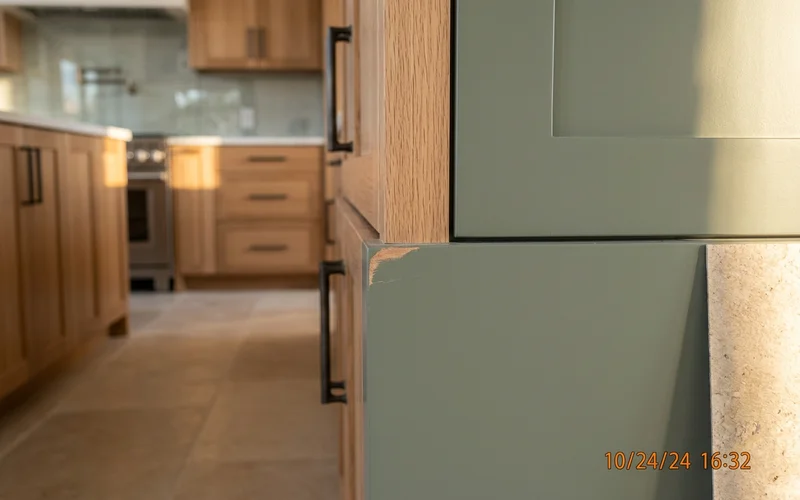
We focus heavily on cosmetic flaws like floor scratches or cabinet scuffs right now. Catching these details early prevents unfair security deposit deductions later. A comprehensive apartment move in inspection checklist ensures you document the baseline condition accurately.
| Area | Check |
|---|---|
| Doors | Open, close and lock smoothly; weatherstripping intact |
| Windows | Open, lock, no cracked panes or broken seals |
| AC and heat | Cools and heats each room; thermostat works |
| Water | Pressure and hot water at every tap; no leaks under sinks |
| Appliances | Fridge, oven, dishwasher, washer and dryer all run |
| Electrical | Every outlet and switch works; covers in place |
| Finishes | Floors, counters, cabinets, paint, trim |
| Safety | Smoke and carbon monoxide detectors present and working |
Day 7 and day 30 punch lists
We submit a highly detailed new construction apartment punch list to the community manager at day 7 and day 30. Some hidden defects only reveal themselves after you actually live in the space for a while. Issues like poor HVAC balancing between rooms, a slow drain, or a wooden door that swells require daily use to notice.
We monitor these secondary items closely because contractors typically take between 14 and 30 days to resolve them. A structured follow-up guarantees your move-in specials correctly appear on the second month’s ledger. Consistent documentation keeps the management office accountable for finishing the job. Our inspections often reveal these common deferred maintenance items:
- Unbalanced airflow leaving one bedroom significantly hotter than the rest.
- Small drywall cracks caused by the new building settling.
- We frequently spot gaps in the shower caulking that only appear after exposure to hot water.
- Misaligned cabinet hinges will loosen after repeated daily use.
- A running toilet wastes water and inflates your monthly utility bill.
What if repairs don’t happen?
We rely on the Texas Property Code § 92.052 to enforce mandatory landlord repairs. Ignored maintenance requests demand an immediate escalation through formal, written channels. You must submit all follow-up communications directly through the official resident portal and keep personal copies.
Our documentation always confirms the tenant is fully current on rent, which is a strict legal requirement for demanding repairs. State law requires landlords to fix conditions that materially affect physical health or safety after receiving proper notice. State guidelines presume that seven days is a reasonable time frame for a landlord to act. We advise following these exact steps if a critical repair stalls:
- Verify your rent balance is at zero, as delinquent accounts lose repair protections.
- Send a dated, written notice via certified mail to establish a formal legal timeline.
- We cite local laws in our requests, such as the Dallas mandate for 85°F maximum indoor temperatures.
- A malfunctioning air conditioner in 100°F heat qualifies as a severe health hazard under these regulations.
- Property Code § 92.331 also prohibits landlords from retaliating for six months following a legitimate request.
We take any stuck issues up directly with the community management in writing and report back with a clear resolution plan. A solid paper trail is your best defense against negligent property management. Keep copies of every single message you send.
What’s the next step?
We invite you to Get my shortlist and choose either an in-person walkthrough or a detailed live video inspection. Securing a flawless luxury unit requires more than just a quick glance around an empty room.
A thorough apartment tour checklist pdf prepares you to ask the hard questions and document the facts.
Our professional guidance ensures your transition into a fresh space is smooth and stress-free. The right preparation turns a stressful move into an organized success. Reach out today to start planning your upcoming move.