Have you ever walked past a brand new apartment building and wondered if those move-in specials are actually a good deal?
Whether you own a home undergoing major renovations or run a business needing temporary corporate housing, finding the right spot matters. We have helped countless renters find their perfect fit in these brand-new spaces.
This quick guide breaks down exactly how to evaluate a fresh property, compare lease-up apartments, and negotiate the best lease terms.
Our team will show you everything you need to know about reading the current rental market. So, grab a cup of coffee, and let’s go through it together.
What is a lease-up apartment?
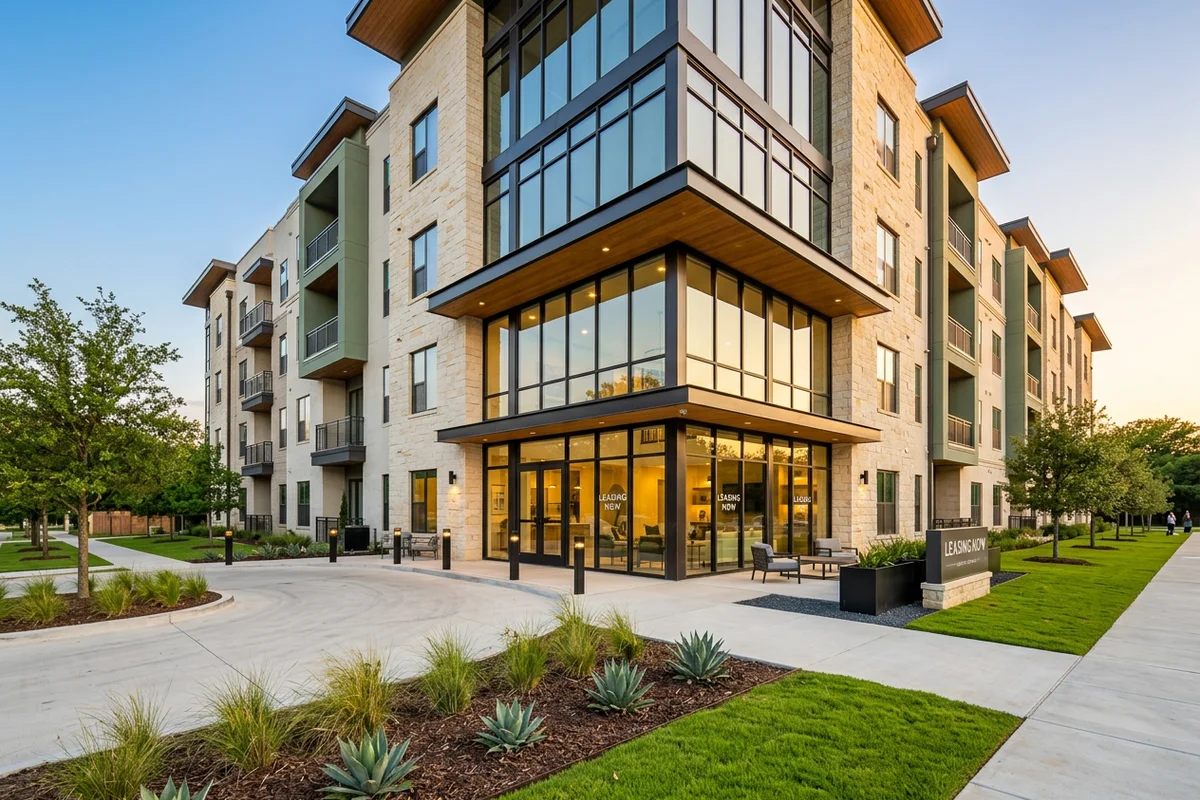
A lease-up building is a new property filling its very first units. It starts when the first residents move in and ends at stabilization, when the building is mostly full and specials fade.
On our board of new apartments in Dallas, that means the first 24 months.
You will be a first-generation unit resident. Nobody has lived in your apartment before.
That is the appeal:
- New finishes and appliances
- Brand-new HVAC and plumbing systems
- The elusive first-to-live-here feel
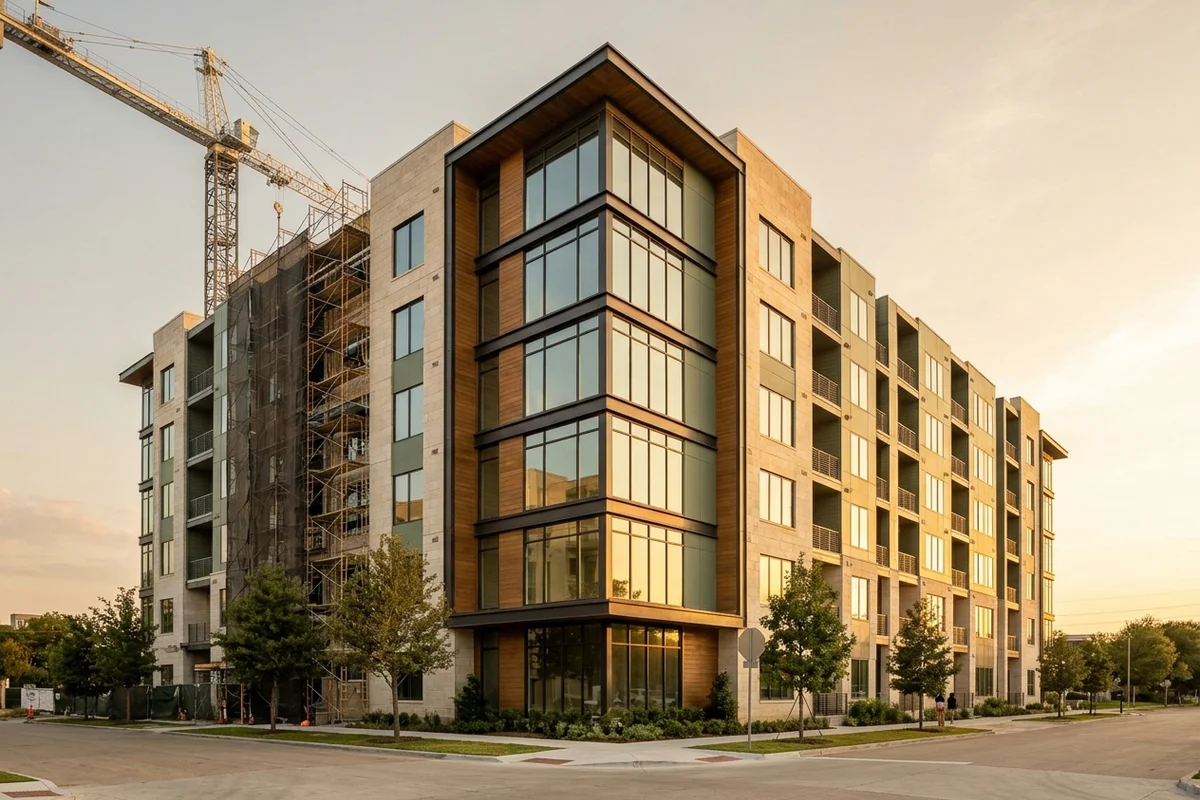
It is also the catch. New buildings still have kinks, and some are still under construction.
According to a September 2026 report by Yardi Matrix, over 1.2 million apartment units sat in the lease-up phase nationwide. That massive inventory gives you incredible bargaining power right now.
Why do the deepest specials sit in lease-up?
A new building has to fill hundreds of units fast. The lease-up special is the main tool managers use to hit occupancy goals.
DFW delivered 12,108 units in the first half of 2026, more than any U.S. market according to Yardi Matrix. The RealPage supply forecast expects 20,000+ more from Q4 2026 to Q3 2027.
More new units means more buildings competing for the same renters. Realtor.com reported in August 2026 that 43.5% of rental listings now offer some form of move-in concession.
The Impact of Occupancy on Rent Deals
The percent leased metric drives how hard a building pushes promotions. Early in the lease-up phase, with most units empty, specials hit their absolute deepest levels.
As the building fills and reaches stabilization, those deals shrink and eventually disappear. According to RealPage data from July 2026, the average U.S. concession discount reached 11.1%.
That percentage equals nearly six weeks of free rent on a standard 12-month lease. Our lease-up timing guide walks through the pattern so you can time your move perfectly.
The tradeoff
The deepest special usually comes with the least finished building and the biggest year-two jump. We put all three on one line so you can decide with the full picture.
What are the stages of lease-up?
Understanding the construction timeline helps you manage expectations. A typical building moves through three distinct phases before it reaches total stabilization.
| Stage | What it looks like | What to weigh |
|---|---|---|
| Phase I delivery | First building or floors open, more under construction | Deepest specials, most construction nearby |
| Mid lease-up | Most phases open, amenities opening | Good specials, fewer surprises |
| Near stabilization | Building mostly full | Smaller specials, settled building |
Phase I delivery often takes three to six months to complete. During this early window, you will likely go on a “Hard Hat Tour” because your exact unit is not ready yet.
You should always ask for detailed floor plans and confirm the natural light direction since you cannot step inside the actual space.
The Certificate of Occupancy is what lets residents move into each phase. We confirm yours is issued before you sign, or we get the expected date and your options in writing.
Getting this document verified protects your move-in timeline.
What should you check before you sign?
New buildings pass basic city inspections, but that does not mean every unit is perfect. Our tour and move-in checklist covers the full list of things to look for.
Here is the short version of what you need to verify:
- Sound. The 2021 IBC sets an STC/IIC 50 sound rating between units. Ask how the building meets it, and listen closely during your tour.
- Heat and exposure. Dallas design heat runs to 101°F during the summer. West-facing units take the brutal afternoon sun directly. Check that the AC keeps up, and ask about HVAC balancing if one room feels hot. The Dallas AC ordinance (85°F) sets a mandatory floor for cooling in rentals.
- Smart Climate Control. Look for units equipped with smart thermostats like Google Nest or Ecobee. The EPA ENERGY STAR program confirms these devices can save you roughly 8% on annual heating and cooling bills.
- The construction phase next door. Ask what the crews are building and when the project finishes. You should also ask about construction noise hours. The Dallas city code typically restricts loud construction noise to the hours between 7 AM and 7 PM on weekdays.
- Amenities. If the pool or gym isn’t open yet, get the guaranteed opening date in writing.
When does lease-up fit you?
A brand-new property works perfectly for certain renters and poorly for others. Lease-up fits well when:
- You want the deepest special and can live with some construction noise nearby.
- You are moving now and need a unit that is ready immediately, rather than waiting on a pre-lease date.
- You plan to stay two years and you have checked the year-two rates.
- You expect the renewal jump. Once specials burn off, expect a standard 5% to 8% market rent increase for your second year.
It fits less well if you need every amenity open on day one. It is also a bad fit if you are highly sensitive to noise and you would end up right next to an active construction phase.
We suggest touring an established property in the same neighborhood to compare the quiet environment against the new-build savings.
This simple test helps you weigh the actual value of those move-in deals.
What happens after move-in?
New units always have a punch list: the minor defects and cosmetic issues that need fixing before you fully settle in. You will often spot these during your first week.
Common punch list items include:
- Doors or windows that stick
- Missing caulk or unsealed bathroom grout
- Whistling air vents
- Loose cabinet hinges
File the move-in condition form within about 48 hours to document these flaws. We send a written punch list to management at day 7 and day 30.
The team also verifies that your move-in special actually shows up correctly on your rent ledger. Warranty repairs in the first year are entirely normal.
Getting them in writing is what makes them happen quickly. The Texas Property Code Section 92.052 gives landlords a presumptive seven days to make a diligent effort to fix conditions that materially affect your health or safety. Putting your requests in writing starts that legal clock.
Can you negotiate at a lease-up?
Sometimes you can push for a better deal. Base rent rarely moves, but property managers often have flexibility on other costs.
You can typically negotiate the following expenses:
- Upfront pet deposits, which often run $300 to $500
- Monthly valet trash services, usually priced around $25 to $35
- Reserved parking fees or storage unit costs
- Administrative move-in fees
Our Leverage Score reads the room to ask for concessions by area on a 0 to 100 scale. Commission never touches this score, so you get an unbiased view of your bargaining power.
See how we score leverage and read the full negotiation guide to build your strategy.
We want you to secure the absolute best deal on your new apartment. Take these insights and start your search with confidence, and let us help you find the perfect lease-up apartment.