
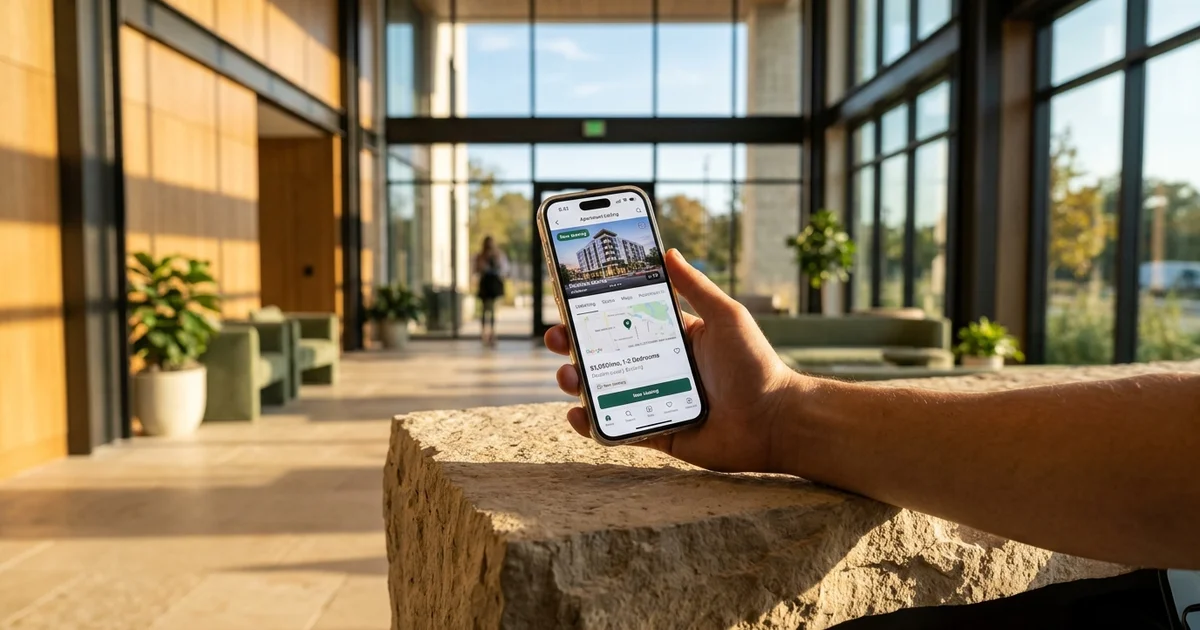
Why do scammers copy new apartment listings?
Because new buildings photograph beautifully and out-of-state renters desperately want them. Falling for a fake apartment listing scam dallas style usually happens because the fraudster borrows real photos from a newly constructed high-rise, slashes the price, and demands a deposit before a tour.
We see this play out every week. A recent 2026 Apartment List survey shows that 10.9% of Dallas-Fort Worth renters have lost money to rental fraud.
That rate is the highest among the 30 largest US metros. Nationally, the Federal Trade Commission reports roughly $65 million in rental scam losses since 2020.
Fraudsters specifically target relocators who cannot visit the property in person. Our team wants to help you avoid becoming part of that statistic.
The good news is that every con artist leaves a trail. Verifying a real unit in a real building takes just a few minutes when you call the actual leasing office.
You can start by checking our guide to new apartments in Dallas.
What are the warning signs?
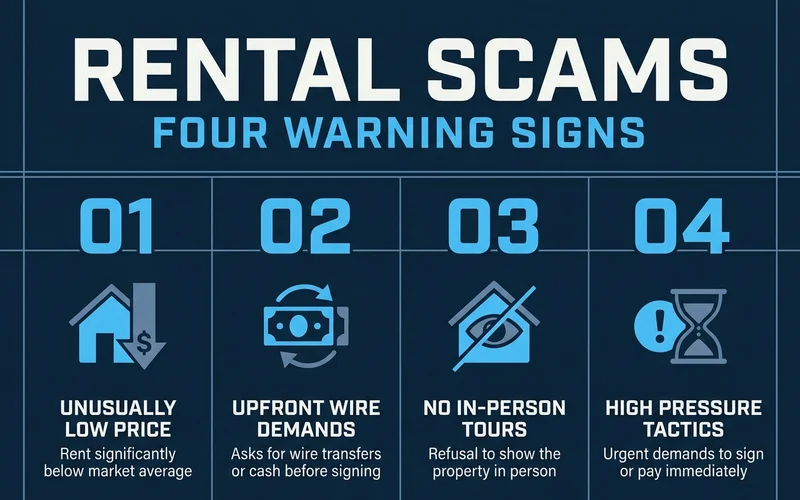
The biggest red flags are requests for upfront cash, weird payment methods, pricing that defies local market rates, and excuses about why you cannot see the unit. If you spot any of these tactics, you are likely dealing with an apartment rental scam dallas authorities warn against.
Money before a tour
A legitimate community will always show you the unit before asking for a holding deposit. You can do this in person or via a live video call. A request for cash to “hold” a unit you have never seen is the ultimate warning sign. Once the listing checks out, read the paperwork for the lease red flags at a new Dallas apartment before you sign.
Scammers also push affiliate links for “low-cost” credit check websites. These fraudulent links secretly enroll you in recurring paid memberships while stealing your Social Security number.
Payment off the platform
Fraudsters love untraceable transactions. Real apartment communities process payments securely through their own branded resident portals.
They will often request funds through shady channels:
- Direct wire transfers
- Prepaid gift cards
- Cryptocurrency wallets
- Peer-to-peer apps sent to personal accounts
We advise clients to stop communicating if a “landlord” asks for a Zelle transfer to a personal email address. This simple rule prevents massive financial headaches.
A price far under the board
New buildings base their pricing on precise market data. If a listing sits hundreds of dollars below every comparable property on the New Build Board, you must investigate why. Genuine deals definitely exist, but they appear as clearly defined specials with a specific lease term and expiration date.
According to the Better Business Bureau Scam Tracker, artificially low rent is the bait in almost every fraudulent listing.
A story instead of a tour
Con artists always have an elaborate excuse. “I am out of the country, so I will mail the keys.” “The leasing office is closed today, so just deal with me directly.”
New construction properties employ fully staffed leasing teams. Anyone trying to steer you away from the official office staff is hiding something. They might even send you a fake lockbox code to tour a vacant unit on your own.
The Golden Rule for Renters
Never pay a deposit to anyone except the official community. Always use the community’s own secure portal. Most importantly, verify the exact listing by dialing the official phone number found on the property’s main website.
How do you verify a listing?
You confirm a listing by finding the property’s official website independently, calling the real leasing office, and asking specific questions about the unit. When you find yourself wondering, is this apartment listing real, you must take immediate action to verify the facts.
Do not rely on contact information provided in a Craigslist or Facebook marketplace ad, as 50% of recent rental scams originated on social media. We recommend following a strict verification checklist before signing anything. This process takes five minutes and protects your bank account.
- Find the building’s official site using a standard search engine. Do not click any links provided directly in the suspicious listing.
- Call the leasing office by dialing the exact phone number listed on that independent, official website.
- Ask about the exact unit by referencing the unit number, floor plan, monthly price, current specials, and available move-in date.
- Tour the real apartment in person or request a live video walkthrough with the verified leasing team.
- Apply through the community’s portal on their website, refusing any requests to apply via text message or a personal email link.
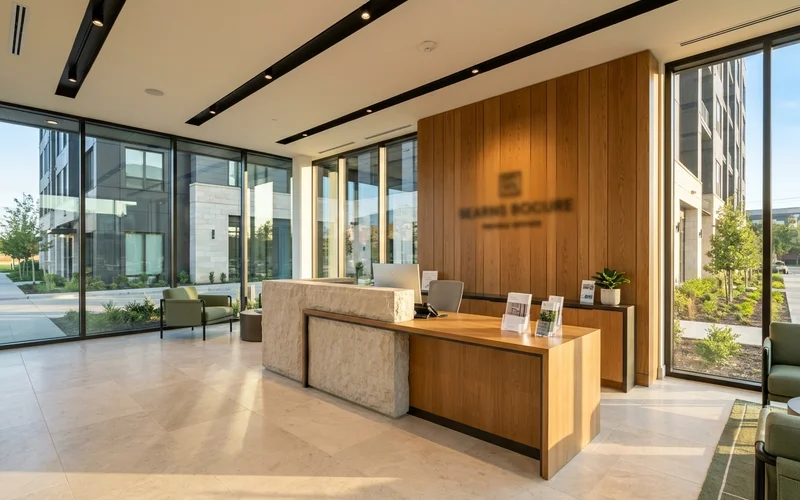
What if you already paid?
If you suspect you sent money to a fraudster, you must contact your bank immediately to stop the transaction. Time is your most valuable asset when trying to recover stolen funds.
Our team has seen how fast these criminals move the money to offshore accounts. Acting quickly gives you the best chance of reversing the damage.
- Contact your bank or payment app immediately and demand a freeze, cancellation, or reversal of the fraudulent payment.
- Report the fake listing to the specific platform where you found it, such as Zillow, Facebook, or Craigslist.
- File an official complaint with the FTC by visiting ReportFraud.ftc.gov, which helps authorities track these national rings.
- Submit a detailed police report with the local Dallas Police Department so you have a paper trail for identity theft claims.
- Keep a detailed record of everything, saving all text messages, emails, digital receipts, and screenshots of the original advertisement.
Why relocators are at higher risk
Out-of-state movers cannot easily drop by a local leasing office to verify a property in person. Scammers exploit this geographical distance by insisting on remote, rushed transactions.
A 2026 data analysis confirms that the surge of new arrivals to the Dallas area makes the region a prime target for these syndicates. When you cannot physically walk the property, you rely entirely on digital trust.
We verify every single listing on your shortlist to eliminate this exact vulnerability. A local agent will personally visit the building and walk the actual unit with you via a live video call.
| Risk Factor | Local Renter | Out-of-State Relocator |
|---|---|---|
| Property Tours | Can visit the physical office | Relies on photos and video |
| Market Knowledge | Knows standard neighborhood pricing | Unfamiliar with local rent rates |
| Scam Vulnerability | Lower (Can verify in person) | High (Often pushed into blind deposits) |
You can learn more about this protective process on our moving to Dallas page. The comprehensive lease before you arrive guide also covers secure remote renting step by step.
What’s the next step?
If you find a listing that looks suspicious or incredibly cheap, you should send it directly to a licensed professional for verification. We will call the property management team and confirm the unit details the very same day.
Skipping the guesswork entirely is the safest approach. Your time is too valuable to waste on deciphering fake ads.
You can completely avoid the risk of missing rental scam warning signs by letting a pro handle the search. Just reach out and get our shortlist of fully vetted, legitimate luxury apartments.